Having dedicated nearly 15 years to education, I’ve observed a persistent misconception that teachers should shoulder both instructional and parental responsibilities. However, the primary role of a teacher is to facilitate learning and create optimal conditions for student growth. Assigning blame to educators for a student’s academic challenges is both disrespectful and indicative of a flawed understanding of the educational process. I would like to take the opportunity to clarify this misunderstanding.
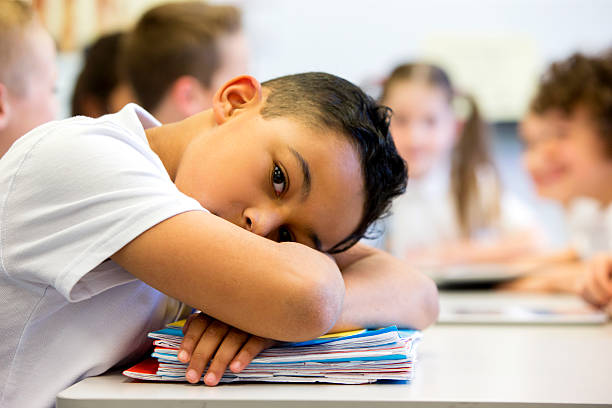
I know not everyone thinks this way, but too many parents expect teachers to be both their child’s teacher and their parent. Parents need to understand the true role of an educator and stop pushing parental responsibilities onto the teacher.
What exactly are the many jobs of an educator? Below are just some of the many responsibilities educators have in their profession.
1. An educators primary responsibility is to deliver state-mandated standards. I must master these standards and impart them to my students, ensuring they’re well-prepared for future learning. This requires careful planning, clear instruction, and providing students with the tools they need to thrive.
2. Effective educators must allocate sufficient time for students to engage in practice and application activities. Ongoing assessment of student understanding allows teachers to make informed decisions about instructional adjustments. By providing targeted support and additional practice opportunities, teachers can facilitate student mastery of essential standards.
3. Educators play a vital role in providing timely and specific feedback to students. By offering both positive reinforcement and constructive criticism, teachers can guide student learning and foster academic growth. This feedback serves as a compass, directing students toward academic success.
4. Educators play a crucial role in establishing and modeling positive character traits, such as respect, honesty, and responsibility. By incorporating these values into the classroom environment, teachers contribute to the holistic development of their students.
5. Educators employ data-driven practices to identify students who may require additional academic support. Through collaboration with colleagues and the implementation of targeted interventions, teachers can effectively address student needs and promote academic growth.
6. Educators play a vital role in fostering effective communication with parents, colleagues, and administrators. By sharing insights into student progress, challenges, and strengths, teachers can facilitate collaboration and support student achievement.
7. An educator must follow IEP and 504 goals and expectations. This is a non-negotiable. General education teachers do not write the IEP goals, they only provide input based on observations of their student’s academic ability and behaviors in their classroom. The goal, of course, is to help students exit a 504 or IEP and encourage them to learn in a positive and productive way. Helping them find confidence in themselves and their understanding with the academic standards that they are being taught. This is not something that happens overnight, and it takes a whole team to help these students find courage, confidence, and strength in their learning.
8. An educator’s job is to grade student work based on their ability and effort. These grades reflect what they can do based on specific standards and the effort they choose to put into their learning. The use rubrics is a great wat for students to see clearly what they need to do and the expectations they need to meet for whatever assignment they have been assigned. Rubrics also allow for better feedback on projects and detailed work.
As an educator, I am responsible for providing students with the knowledge and tools they need to succeed academically. I create a positive and supportive learning environment, offer clear instruction, and provide opportunities for practice and application. While I can encourage and motivate students, I cannot force them to learn or do their work. Ultimately, a student’s success depends on their own discipline and effort.
Similar to a doctor-patient relationship, I provide the information and guidance, but the choice to apply that knowledge rests with the individual. As a teacher, I am not responsible for parenting students; my role is to facilitate learning. It’s important to remember that a student’s desire to learn is a delicate balance. While we teachers can provide the tools and guidance, the ultimate responsibility for learning lies with the individual student.
Parents, let’s dispel the misconception that teachers are solely responsible for a child’s academic success. Education is a partnership between the home and the school. While teachers strive to provide high-quality instruction, parental involvement is essential. If you notice your child struggling, consider your role in fostering a supportive home environment that prioritizes learning. By setting clear expectations, providing consistent support, and encouraging a positive attitude towards education, you can empower your child to succeed. Instead of blaming teachers and expecting them to carry the responsibility of parenting, let’s work together to create a strong foundation for our children’s future.
 Welcome To The Classroom