The classroom is meant to be a safe place for students to learn, fail, make mistakes, and be loved and encouraged throughout this process. However, we have made the classroom so padded and soft-shelled that students cannot take honest, brutal criticism and feedback. They don’t know what to do when someone who wants results gets on their case for not producing results. We do not teach our students to take criticism, persevere, or have grit. The reality is that the world doesn’t care about people’s feelings. The world will beat down people who lack any toughness. If all we do is provide our students with soft, gentle, and squishy classrooms, how are we preparing our students for a hard, jagged, and rough world?
Some might think, “Well, the world doesn’t have to be that way, and we should teach our children not to be rough and jagged.” I agree! Love goes a long way, but that doesn’t change the world’s reality. The world is a hard place. It always has been and always will be. Since the dawn of time, humanity has had to fight and earn dominance in their surroundings. This is just the reality of the evolution of humankind. There is a reason why Charles Darwin coined the phrase “The survival of the fittest.” Society is brutal, and we are always in constant competition. We compete for roles within companies and organizations. We compete for roles within society. We compete for mates. The list could go on. Bottom line, life is not soft, gentle, and squishy.
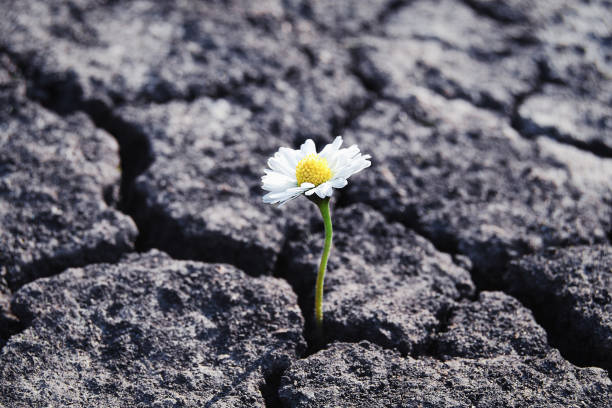
Author Michale Hopf once wrote, “Hard times create strong men, strong men create good times, good times create weak men, and weak men create hard times.” Our society is in the phase of weak men. We have a culture that believes they are entitled, that their feelings matter more than fact, and that they are owed something for just existing. In the long run, this will do nothing but create hard times. Because our society doesn’t know how to work, handle hardship and difficulty, and take ownership of actions and choices rather than blaming everyone and their mother for their problems, we are becoming weaker and more divided. To change this, we must change the narrative. To change the narrative, we must teach reality in our classrooms.
For as long as I can remember, I have listened to people complain about the “Rich” in our society. They complain that they don’t do enough for society, have too much money, and that their wealth should be redistributed – that’s socialism. I am always left asking the same question: why? Why should the rich be forced to redistribute their wealth? Why should they be the only ones to give back to society? You see, the people who complain about the rich are the same people who don’t have a work ethic, don’t understand what it takes to be wealthy, and choose to live a frivolous life without discipline or focus. Let me take that back. They are focused, just not on themselves.

The reality of the world is that no one owes us anything. If we want something, we need to work for it. If we want wealth, we need to work hard, pay attention to investments and finance, make financial sacrifices, and do what is required to become wealthy. If we want to succeed in our careers, we must put our heads down, work hard, and always look for ways to grow and improve. To be something, get something, or do something we want, we must work to achieve it. Life is hard, and we make it harder for our students when we coddle them and do not draw a line in the sand of what is expected. The more we indulge our students, the more complicated their lives will be. And that would be a disservice to our students.
This is not only a systemic problem in education. It is also a problem in today’s parenting. When parents tell their children they did everything perfectly and don’t need to change anything, they set them up for failure and disappointment in the real world.
I had my students do a significant project where they had to present to parents and city members. I had my students write reflections about their project, and one of my students said, “I don’t know what I need to do better. My mom said I did a great job and didn’t need to fix anything.” WHAT? Everyone can do things better. It doesn’t matter how “perfect” we think we are, there is always something we can improve. To teach our students or children that they have hit the pinnacle of growth and maturity is to set them up for failure. We must provide positive and negative critiques when giving feedback to our students.
We need to be honest with our students. If they dropped the ball on their work or actions, we must call them out and be honest and upfront about it. This is called holding students accountable. We don’t get soft and give them chance after chance to do the work they should have done the first time. Let’s consider the real world. In a job setting, there are specific expectations and requirements that must be met. For example, a teacher must keep their certification up to date. If the teacher does not take responsibility and accountability for their certification, they can potentially lose their teaching license. There is no apology letter that they can write to avoid the consequences of their choices. They will be issued a letter stating that they allowed their certification to lapse, and the consequences are loss of licensure until specific requirements are met.
Real-world realities are not soft and gentle. In a world where the expectations are accountability, ownership, and responsibility, we should place the same expectations in the classroom. There is a spirit of apathy in our society, creating a generation of weak individuals who do not know how to work hard, earn what they want, and step up to become better versions of themselves. We need to make discipline a foundational pillar in the classroom. We need to teach students to persevere and have grit; once we teach it, we must expect it from our students.

The world is a brutal place if someone is not ready for it. The classroom should be a place of love and encouragement, but it should also be a place that prepares students for the expectations of the real world. Coddling, pampering, and indulging our students will never build strong characters of perseverance, grit, and ownership. If we tell students they can be whatever they want in life, we better teach them the truth of what it will take to get there. That’s just the reality of the real world.
 Welcome To The Classroom