As a young teacher, I would see my students struggle to make any academic achievements and then make excuses for why they didn’t make adequate growth. I liked to blame it on students’ lack of attention and work ethic, student medical diagnoses (504’s and IEPs), family life, stupid school policies, and many other nonsensical reasons. In the long run, students performed poorly academically because I failed to reflect on my pedagogy and determine what I could do better. Excuses don’t make you a better teacher. Reflection and ownership make you a better teacher.
The students in your class come from a wide range of backgrounds. Some come from solid families, some from dysfunctional families, and others may not have any family. They come to your classroom for a myriad of reasons. They might love school and learning and want to be there. Some students only show up because they “have to.” Then there are those students who show up because it is the only safe place for them to go. In all, every student in your room comes in with their strengths and weaknesses. It is your job as an educator to encourage their strengths and help them through their weaknesses.
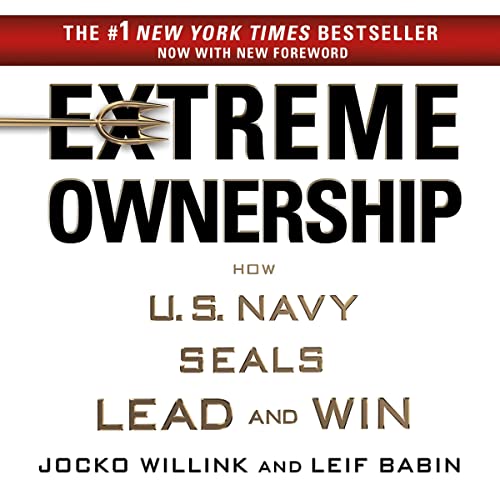
Without reflection, the job of an educator is useless. I have gotten into the habit of reflecting on each day and determining what went well, what didn’t, and what I need to do better the next day. This might be anything from my teaching, my attitude, my responses to my students, my actions with my students, etc. If there is something that I could be doing better, I must take ownership of it and fix it. As Jocko Willink and Leif Babin state, “There are no bad teams, only bad leaders.” As the leader of my classroom, it is up to me to help my students be successful. I can only do this if I reflect on my pedagogy and take ownership of my downfalls.
Benjamin Franklin said it best when he said, “He that is good for making excuses is seldom good for anything else.” This is true for teaching and being in the classroom. Suppose all we do is make excuses for our students’ lack of achievement. In that case, there are probably areas in our life in which we are also struggling. Excuses tend to bleed over into other parts of our lives and build a character of victimhood rather than personal responsibility and determination. We are only as good as the effort we put in. The more ownership of our teaching we take, the better we become.
You might think that all the 504 and IEP students you have in your class make it difficult. Why would 504’s and IEP students in your classroom matter? Students are students. If we did education right, every student would be on a 504. After all, that is what makes education personalized for that student to be successful. IEP students struggle for many reasons, but that shouldn’t matter. Have you detached from that mindset and focused on what you could do to better meet, manage, or help those students? Are there areas you could improve to help these students in your classroom?
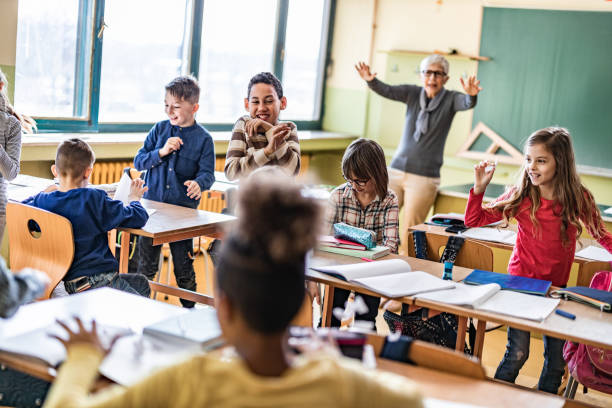
“Yeah, but I have such crazy behaviors in my class.” Have you reflected on your pedagogy, classroom management, expectations, etc.? Are you blaming students’ behaviors, or are you looking at ways you could better equip yourself to manage those behaviors in your classroom? Ultimately, behaviors will either be dealt with or allowed to continue. Students are great at wearing teachers down. Teachers get to a point in the year where they don’t want the hassle anymore and give up trying. This is one of the worst things teachers can do for themselves and their classroom. Students observe and know when teachers have “quit” on them. I have found that behaviors are best dealt with immediately and consistently. Students need to know the expectations and be held to them always. This starts early in the year and must stay steady throughout the year.
The bottom line is teaching is hard, especially when it is done right. The more excuses we make, the harder it gets – the wrong kind of hard. The more we reflect on our pedagogy and the more ownership we take, the harder it gets – in the right way. Nothing else should matter when we put our heads down and focus on becoming better professionally and personally. When you see others succeeding, and you find yourself struggling, it’s a good indicator to start reflecting on pedagogy and determine what areas you need to work on to improve. Remember, making excuses will never make you a better teacher.
 Welcome To The Classroom